

-

![Urolithin A | 500mg | 30 Capsules]()
![Urolithin A | 500mg | 30 Capsules]()
![Urolithin A | 500mg | 30 Capsules]() Regular price 1,613.15TLIn cartSale price 1,613.15TL
-

![Kiperin Liposomal Multivitamin Supplement: 13 Vitamins & 6 Minerals]()
![Kiperin Liposomal Multivitamin Supplement: 13 Vitamins & 6 Minerals]()
![Kiperin Liposomal Multivitamin Supplement: 13 Vitamins & 6 Minerals]() Regular price 521.55TLIn cartSale price 521.55TL
-
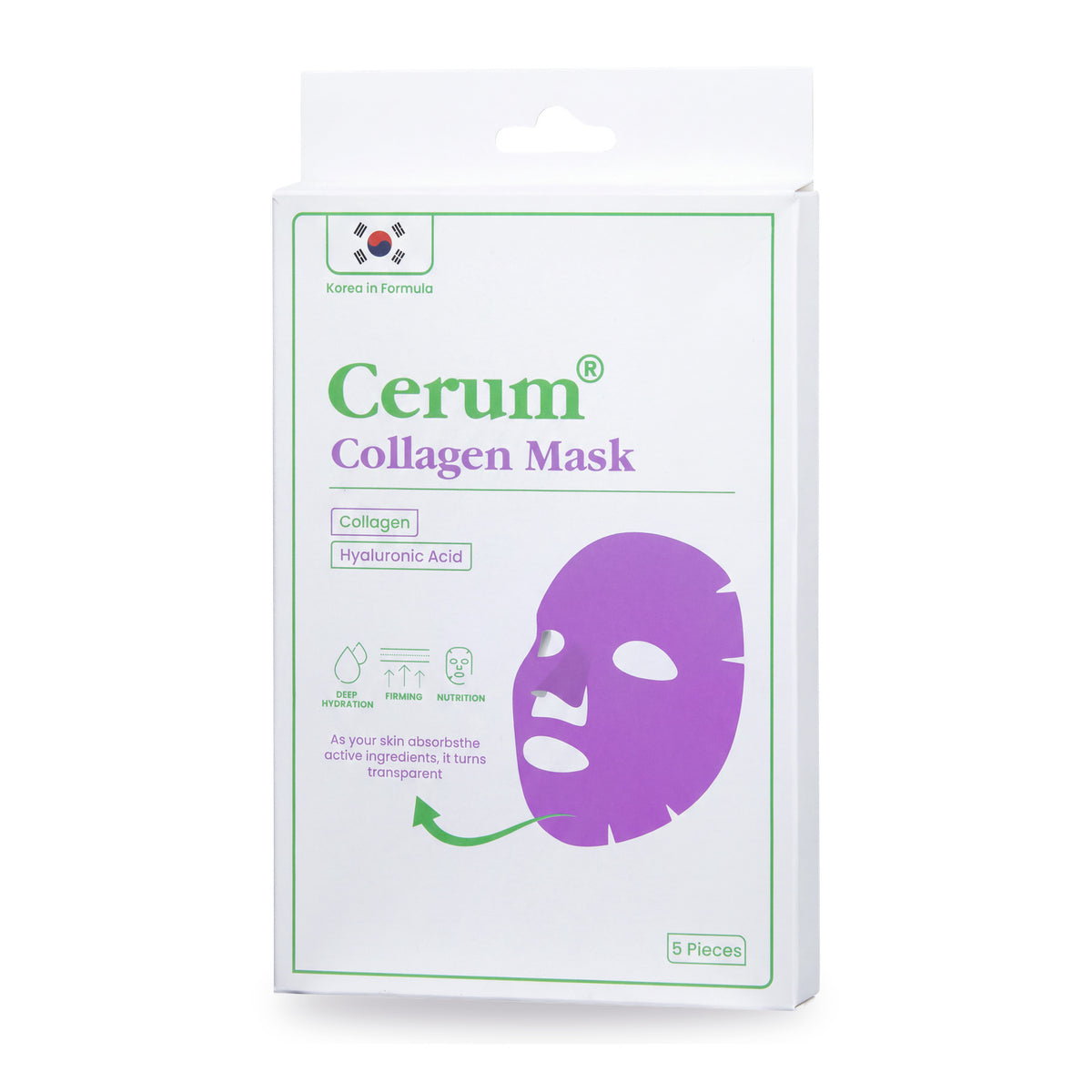
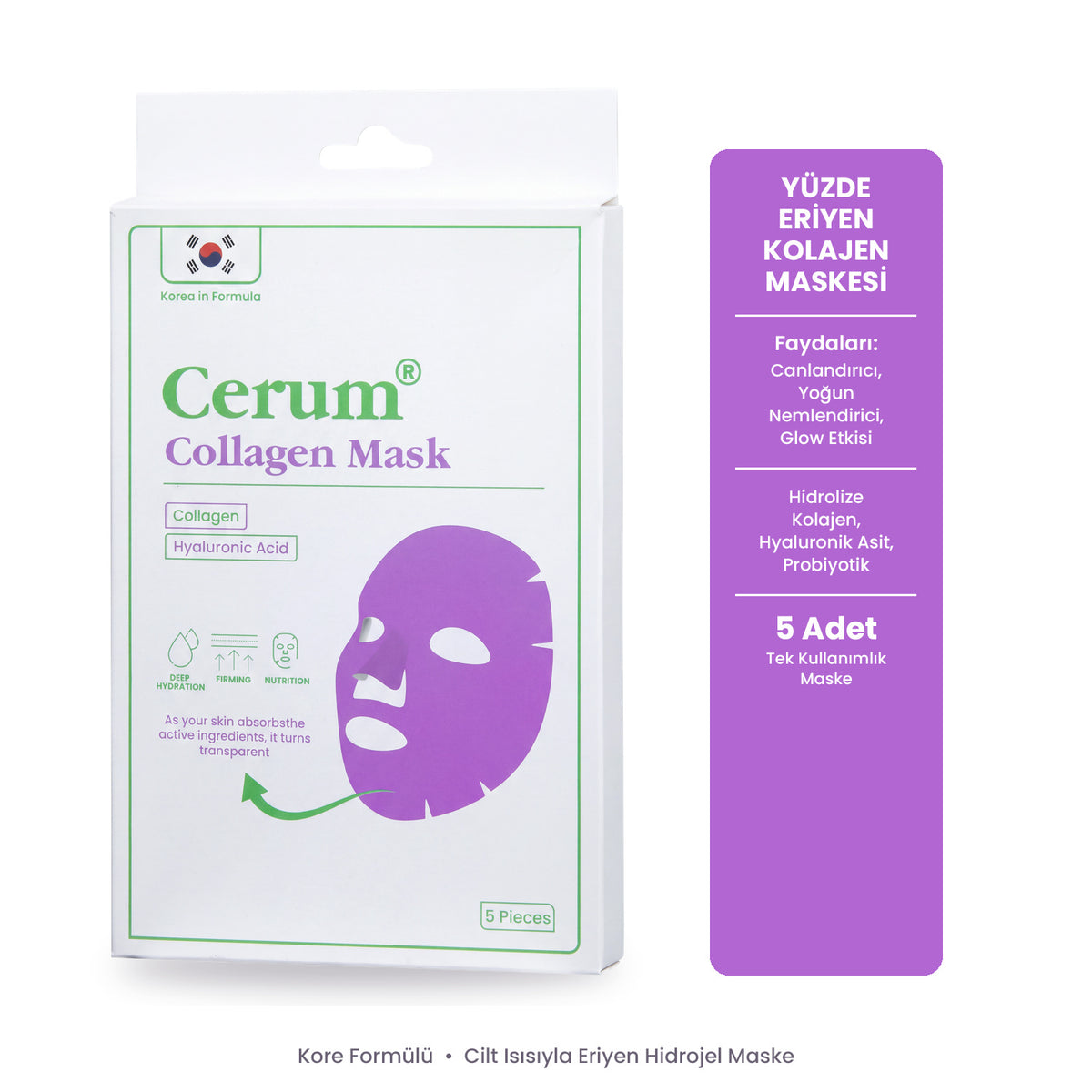
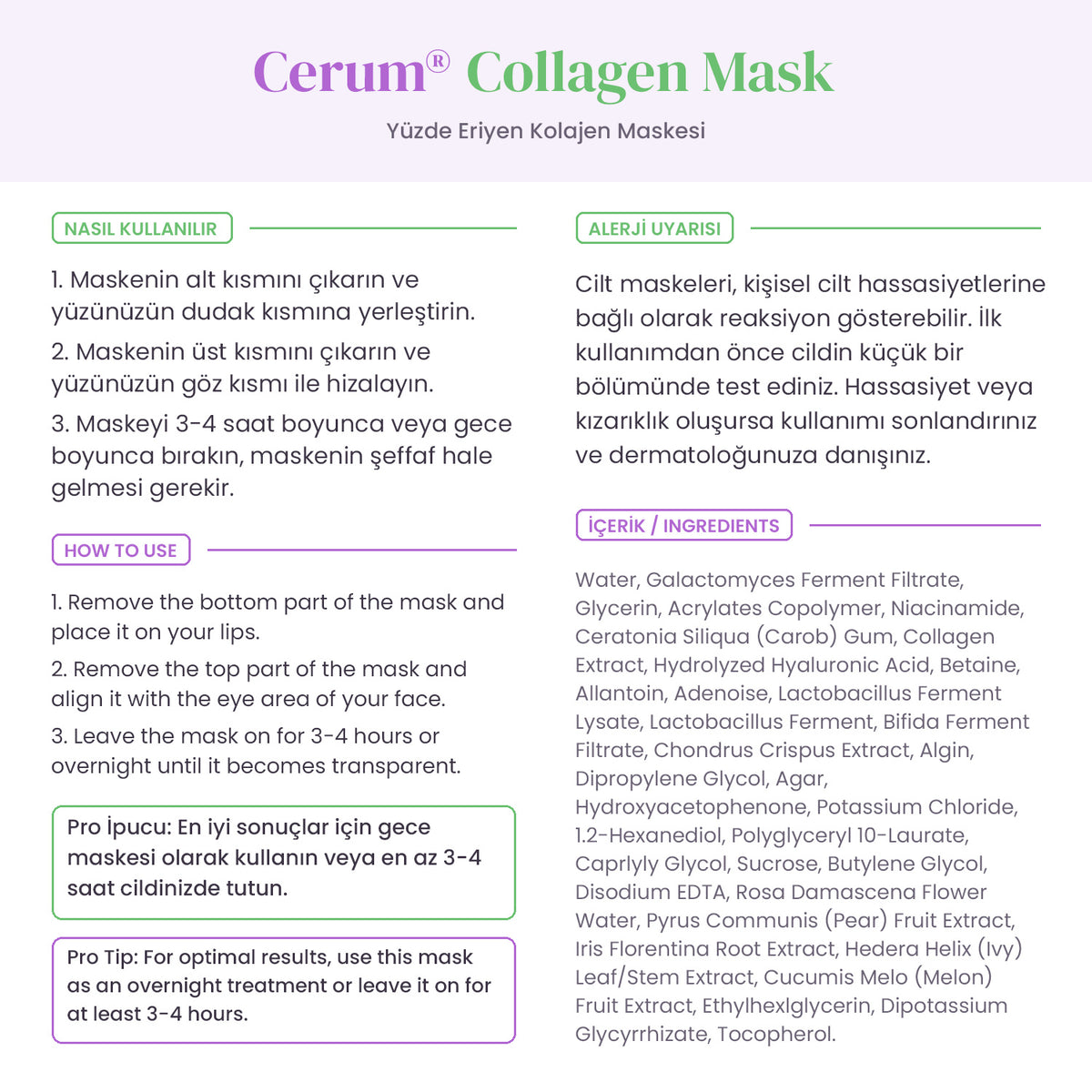
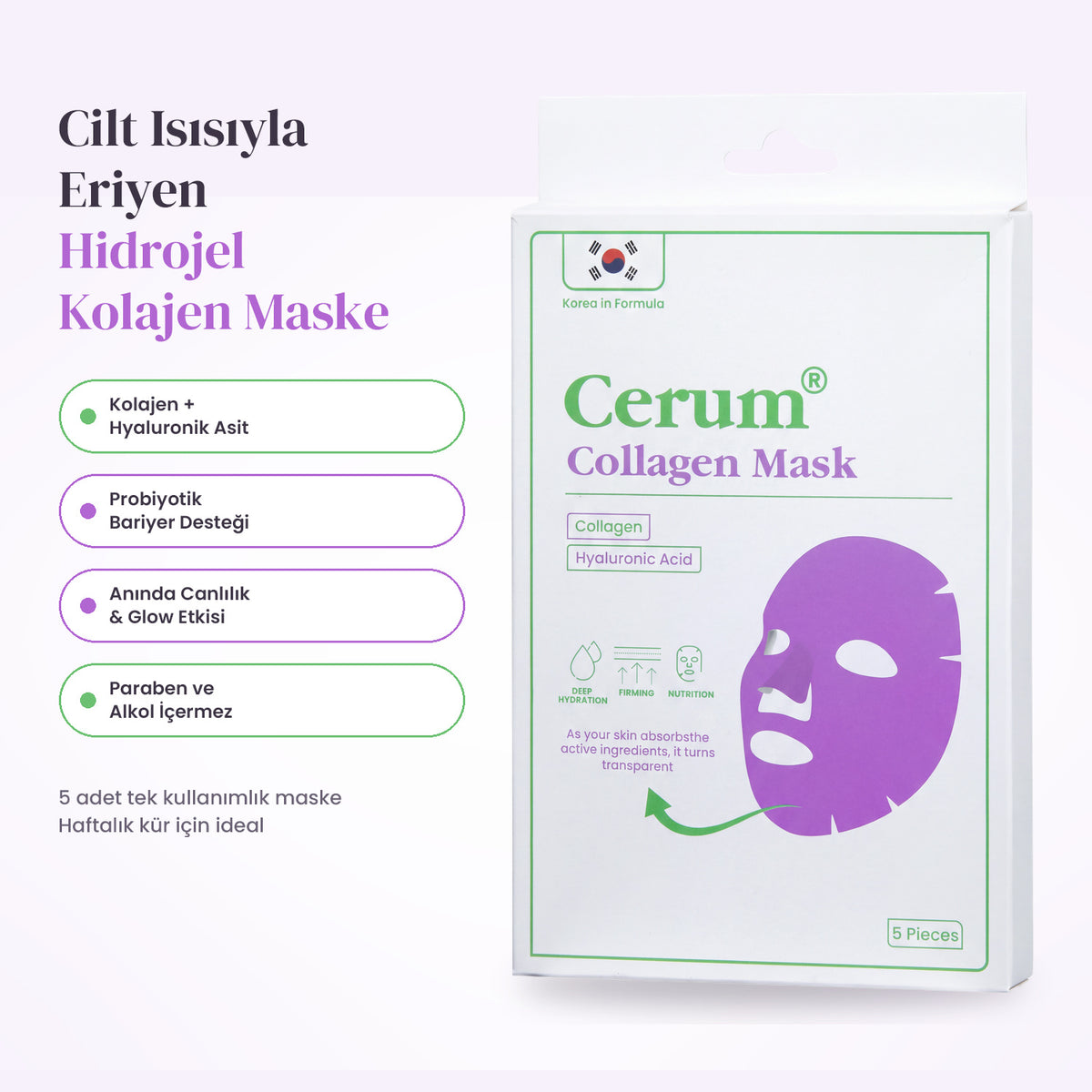
![Dissolving Collagen Mask | 5 PIECES]()
![Dissolving Collagen Mask | 5 PIECES]()
![Dissolving Collagen Mask | 5 PIECES]() Regular price 474.05TLIn cartSale price 474.05TL

-

![Dietary Supplement Containing 100% Pure and Natural Highly Bioactive Dual Hydrolyzed Collagen Peptides (300gr)]()
![Dietary Supplement Containing 100% Pure and Natural Highly Bioactive Dual Hydrolyzed Collagen Peptides (300gr)]()
![Dietary Supplement Containing 100% Pure and Natural Highly Bioactive Dual Hydrolyzed Collagen Peptides (300gr)]() Regular price 805.65TLIn cartSale price 805.65TL
-

![Kiperin Goldra |Biotin, Keratin, Grape Seed, Hyaluronic Acid.. | 30 Capsules]()
![Kiperin Goldra |Biotin, Keratin, Grape Seed, Hyaluronic Acid.. | 30 Capsules]()
![Kiperin Goldra |Biotin, Keratin, Grape Seed, Hyaluronic Acid.. | 30 Capsules]() Regular price 521.55TLIn cartSale price 521.55TL
-

![Kiperin Mind Focus Lion's Mane Mushroom, Citicoline, Rhodiola, L-Theanine (1440mg)]()
![Kiperin Mind Focus Lion's Mane Mushroom, Citicoline, Rhodiola, L-Theanine (1440mg)]()
![Kiperin Mind Focus Lion's Mane Mushroom, Citicoline, Rhodiola, L-Theanine (1440mg)]() Regular price 1,061.75TLIn cartSale price 1,061.75TL
-

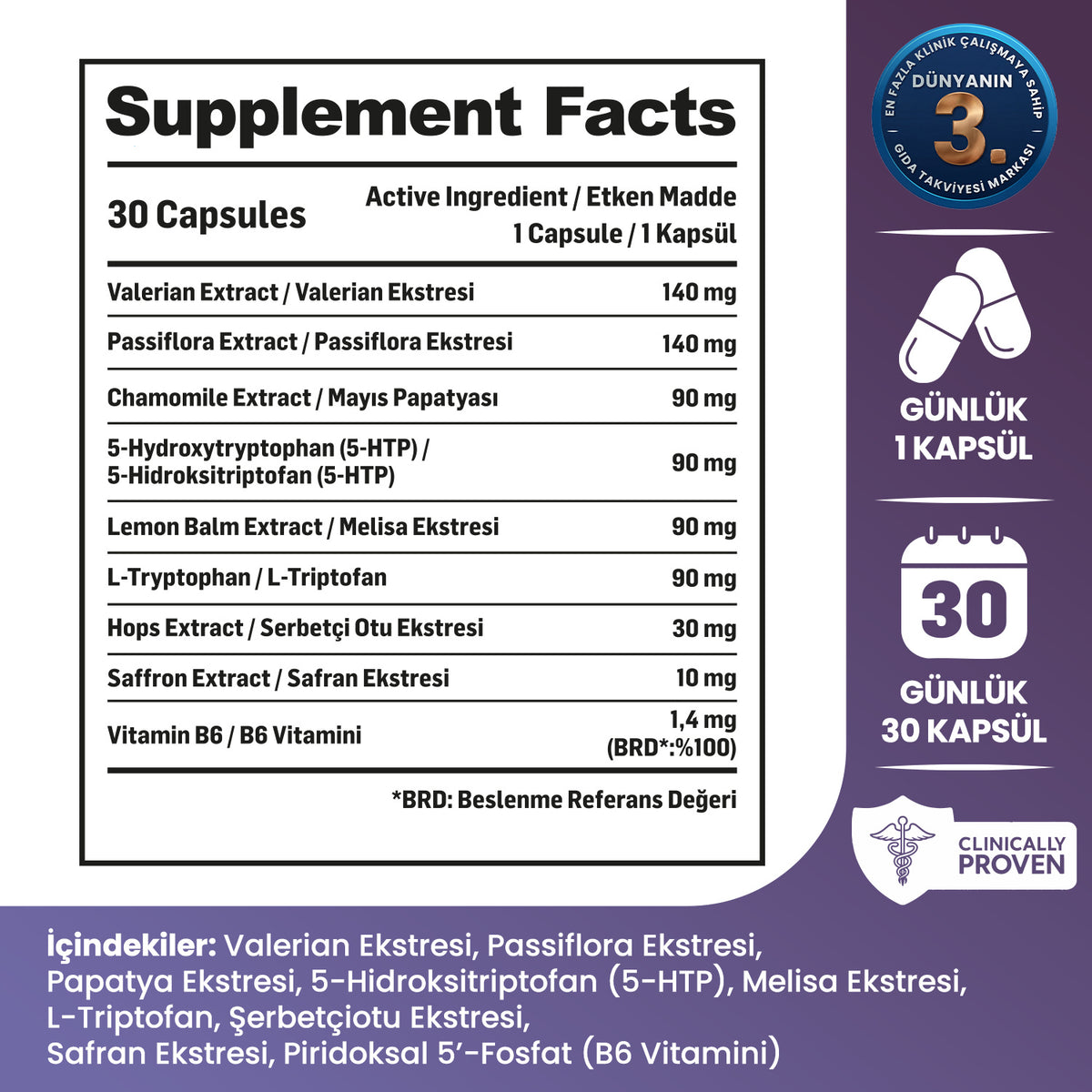
![Kiperin Calm Passiflora, Saffron, 5-HTP, Valerian, ... 9 Ingredients (30-Day Supply).]()
![Kiperin Calm Passiflora, Saffron, 5-HTP, Valerian, ... 9 Ingredients (30-Day Supply).]()
![Kiperin Calm Passiflora, Saffron, 5-HTP, Valerian, ... 9 Ingredients (30-Day Supply).]() Regular price 539.00TLIn cartSale price 539.00TL

-

![Kiperin Cranberry, D-Mannose, Vitamin C (60 Capsules & 1400mg)]()
![Kiperin Cranberry, D-Mannose, Vitamin C (60 Capsules & 1400mg)]()
![Kiperin Cranberry, D-Mannose, Vitamin C (60 Capsules & 1400mg)]() Regular price 439.00TLIn cartSale price 439.00TL
-

![Kiperin Collagen Classic (500gr) Dietary Supplement containing 100% Pure and Natural Highly Bioactive Double Hydrolyzed Collagen Peptides]()
![Kiperin Collagen Classic (500gr) Dietary Supplement containing 100% Pure and Natural Highly Bioactive Double Hydrolyzed Collagen Peptides]()
![Kiperin Collagen Classic (500gr) Dietary Supplement containing 100% Pure and Natural Highly Bioactive Double Hydrolyzed Collagen Peptides]() Regular price 1,273.15TLIn cartSale price 1,273.15TL
-

![Kiperin Lugol's Iodine | 3% Iodine & 6% Potassium Iodide | 365 Drops]()
![Kiperin Lugol's Iodine | 3% Iodine & 6% Potassium Iodide | 365 Drops]()
![Kiperin Lugol's Iodine | 3% Iodine & 6% Potassium Iodide | 365 Drops]() Regular price 379.05TLIn cartSale price 379.05TL
-

![Kiperin Coffee Collagen | Coffee-Flavored Dual Hydrolyzed 100% Pure and Natural Collagen Peptide Powder | 30-Day Supply]()
![Kiperin Coffee Collagen | Coffee-Flavored Dual Hydrolyzed 100% Pure and Natural Collagen Peptide Powder | 30-Day Supply]()
![Kiperin Coffee Collagen | Coffee-Flavored Dual Hydrolyzed 100% Pure and Natural Collagen Peptide Powder | 30-Day Supply]() Regular price 2,078.70TLIn cartSale price 2,078.70TL
-

![Kiperin Flexura | Glucosamine, MSM, Chondroitin, Amla, SAMe, Hyaluronic Acid.. | 60 Capsules]()
![Kiperin Flexura | Glucosamine, MSM, Chondroitin, Amla, SAMe, Hyaluronic Acid.. | 60 Capsules]()
![Kiperin Flexura | Glucosamine, MSM, Chondroitin, Amla, SAMe, Hyaluronic Acid.. | 60 Capsules]() Regular price 805.65TLIn cartSale price 805.65TL
-

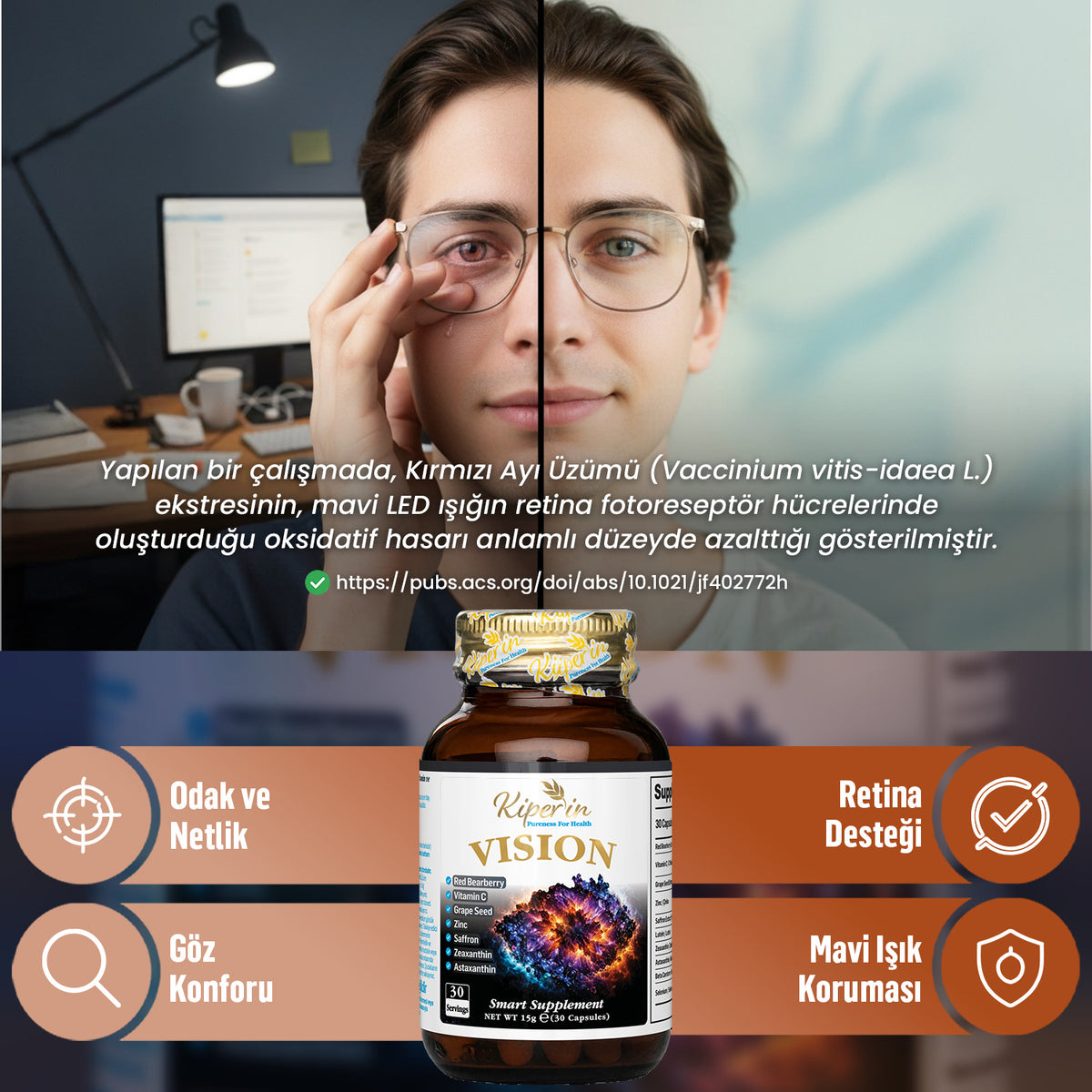
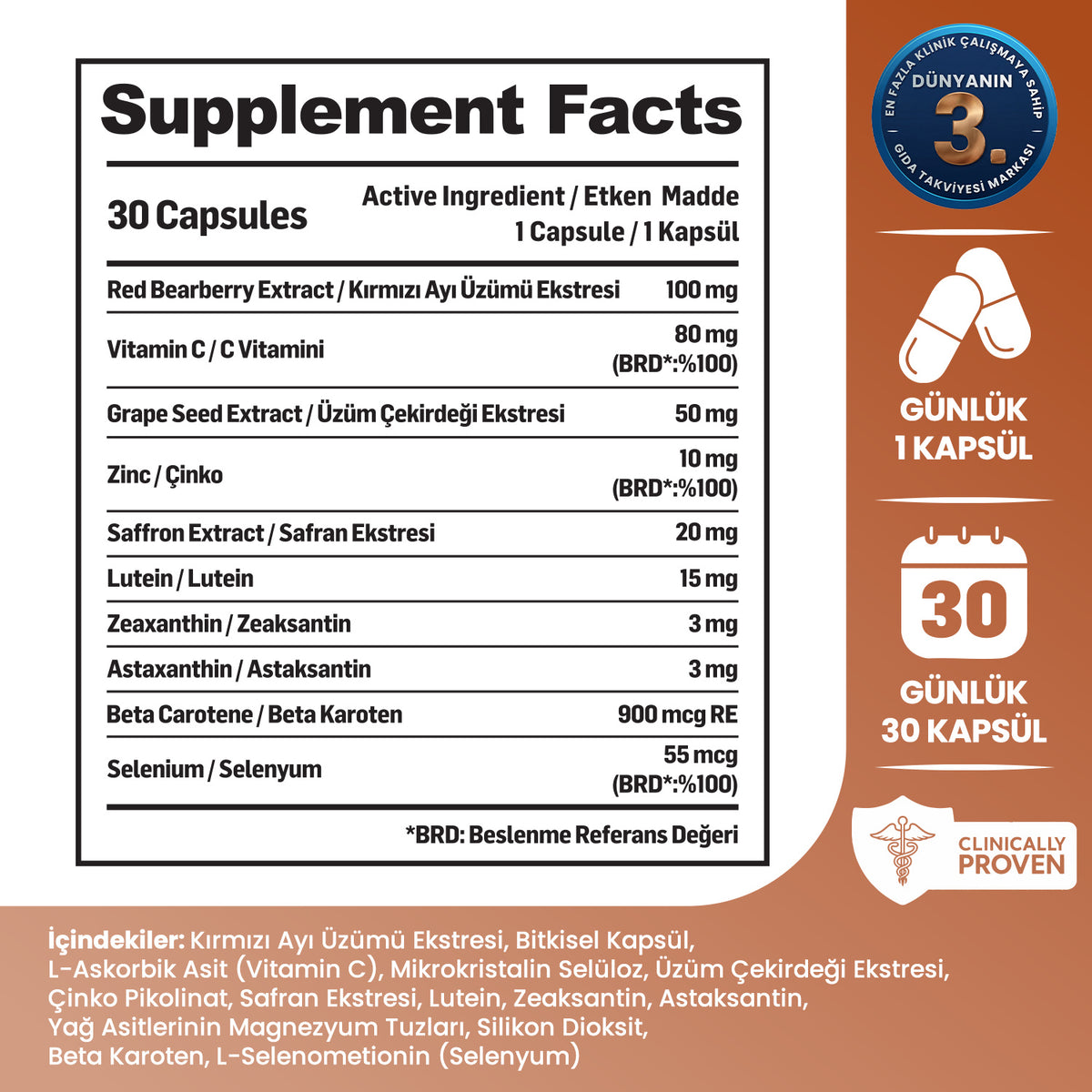
![Kiperin Vision | Zinc, Selenium, Astaxanthin, Lutein, Saffron.. | 30-Day Supply]()
![Kiperin Vision | Zinc, Selenium, Astaxanthin, Lutein, Saffron.. | 30-Day Supply]()
![Kiperin Vision | Zinc, Selenium, Astaxanthin, Lutein, Saffron.. | 30-Day Supply]() Regular price 521.55TLIn cartSale price 521.55TL
-

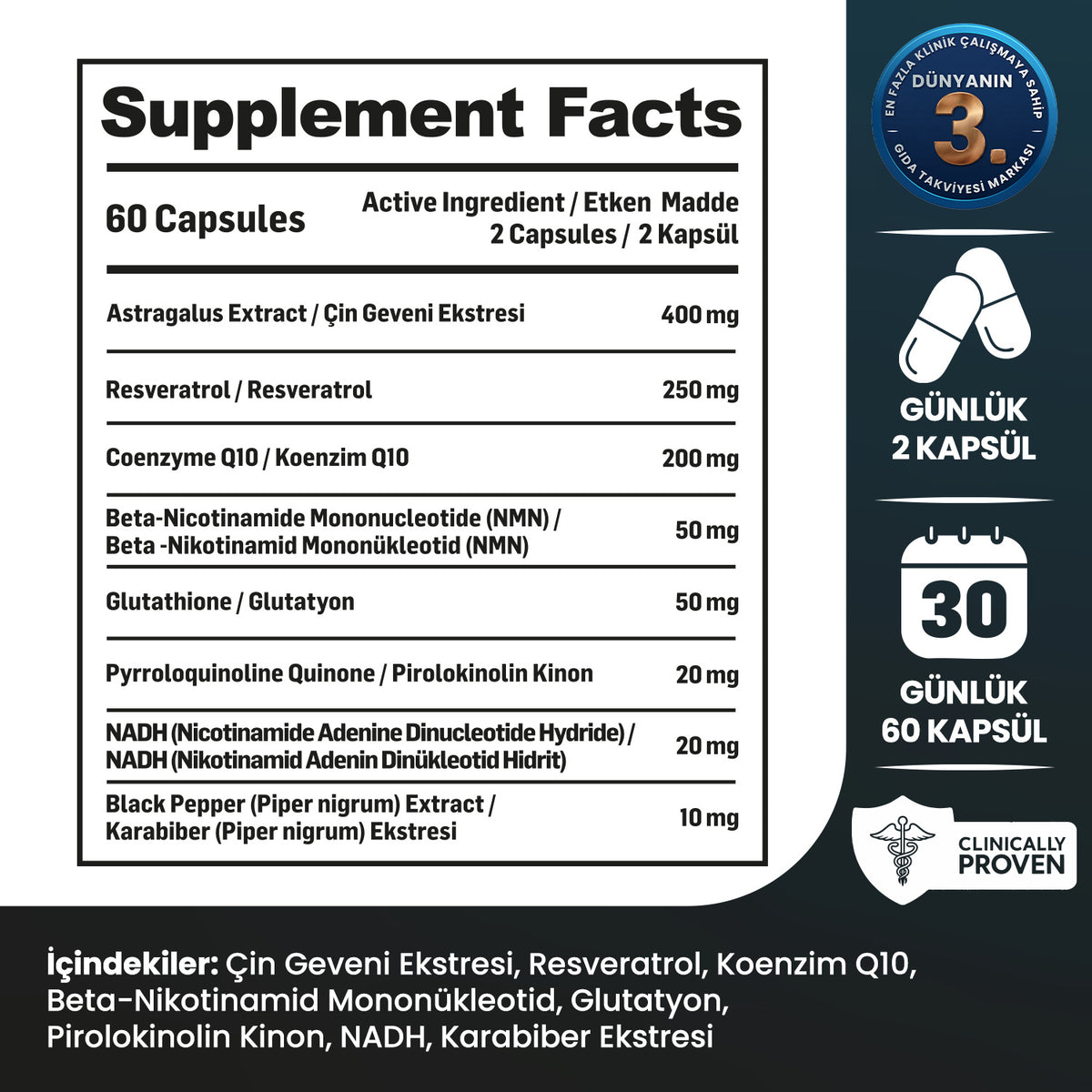
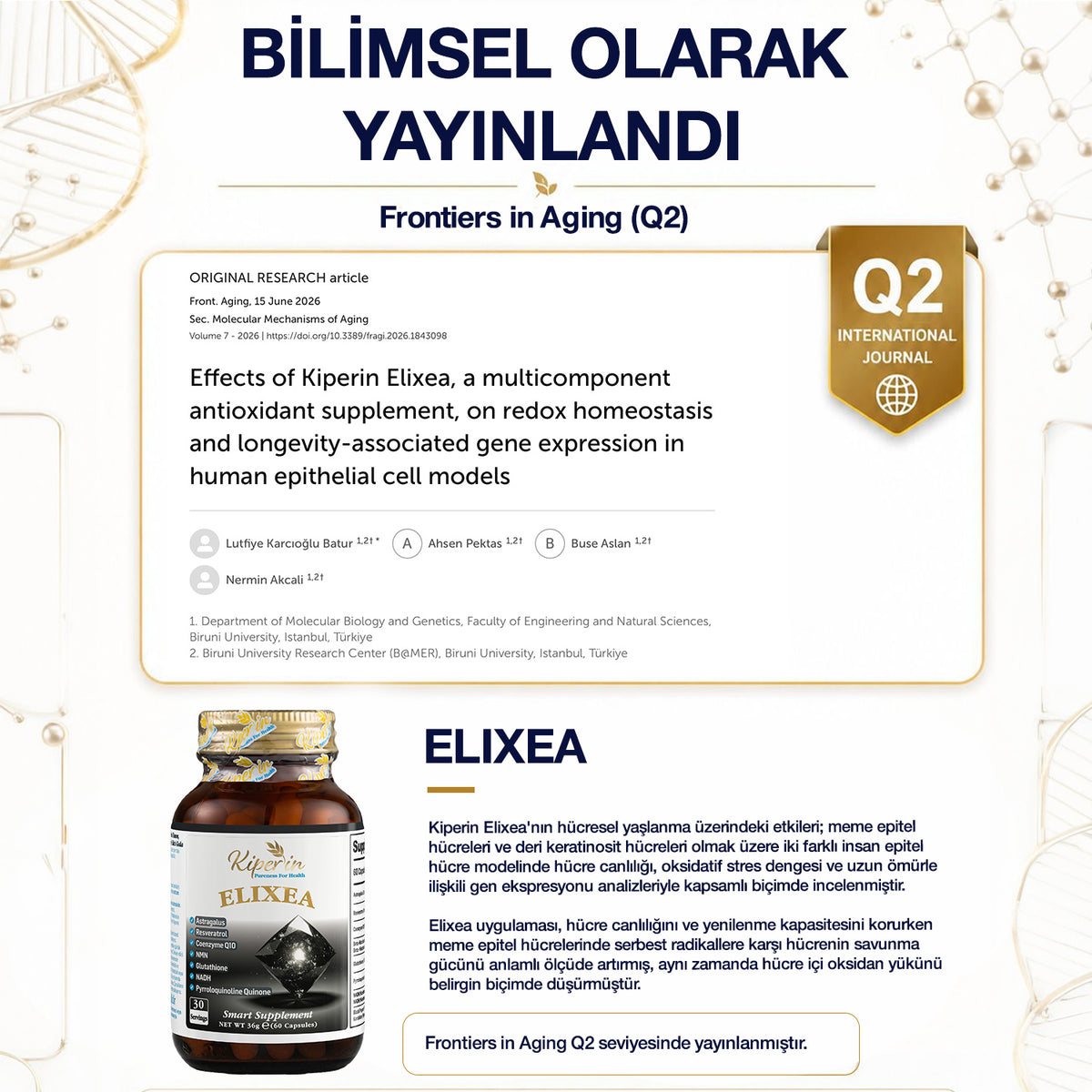
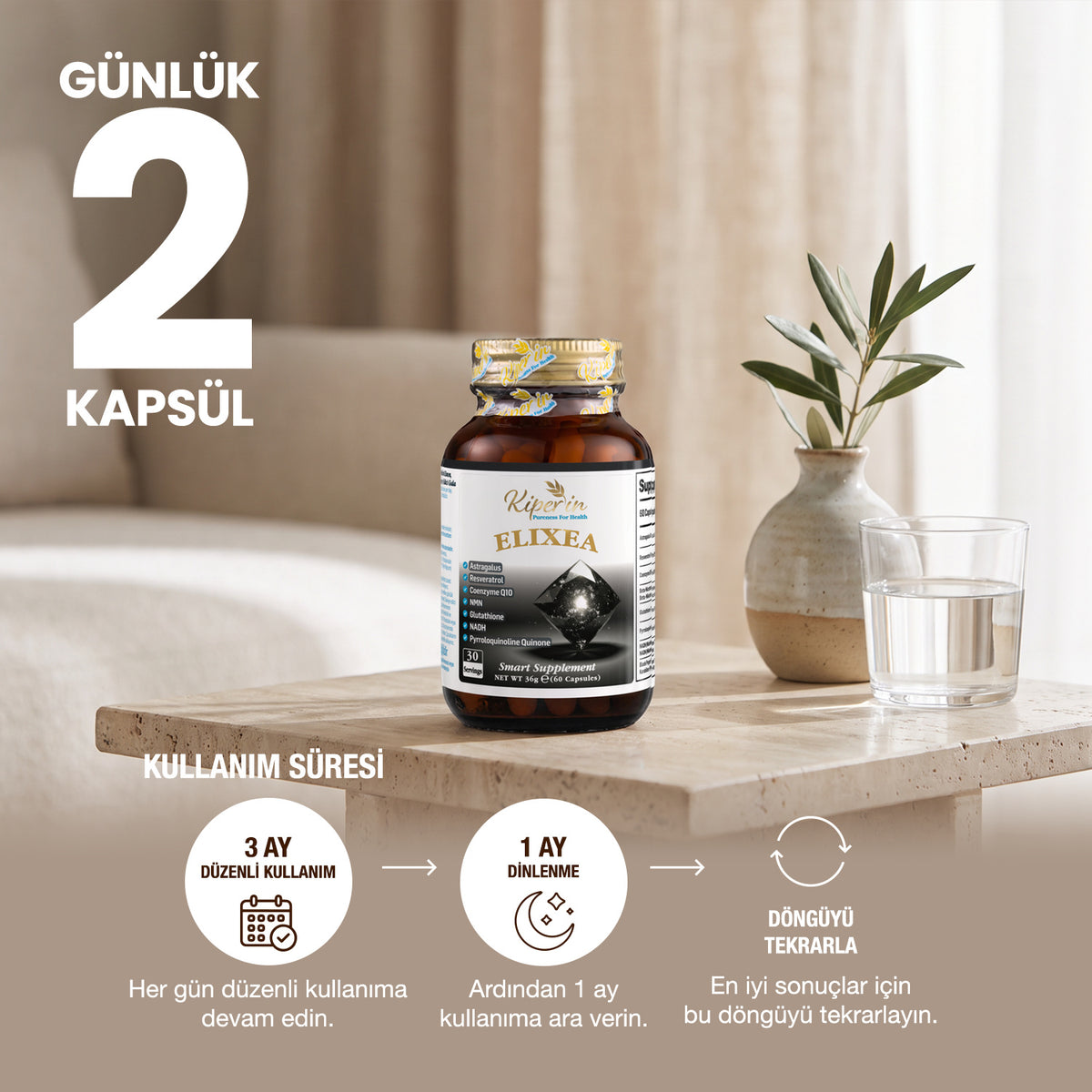
![Kiperin Elixea | Resveratrol, Glutathione, Coenzyme Q10, NMN, NADH, PQQ..| 60 Capsules]()
![Kiperin Elixea | Resveratrol, Glutathione, Coenzyme Q10, NMN, NADH, PQQ..| 60 Capsules]()
![Kiperin Elixea | Resveratrol, Glutathione, Coenzyme Q10, NMN, NADH, PQQ..| 60 Capsules]() Regular price 1,188.15TLIn cartSale price 1,188.15TL
-

![Kiperin Bromelain(3600 GDU) & Papain (30 Capsules & 700mg)]()
![Kiperin Bromelain(3600 GDU) & Papain (30 Capsules & 700mg)]()
![Kiperin Bromelain(3600 GDU) & Papain (30 Capsules & 700mg)]() Regular price 474.00TLIn cartSale price 474.00TL
-
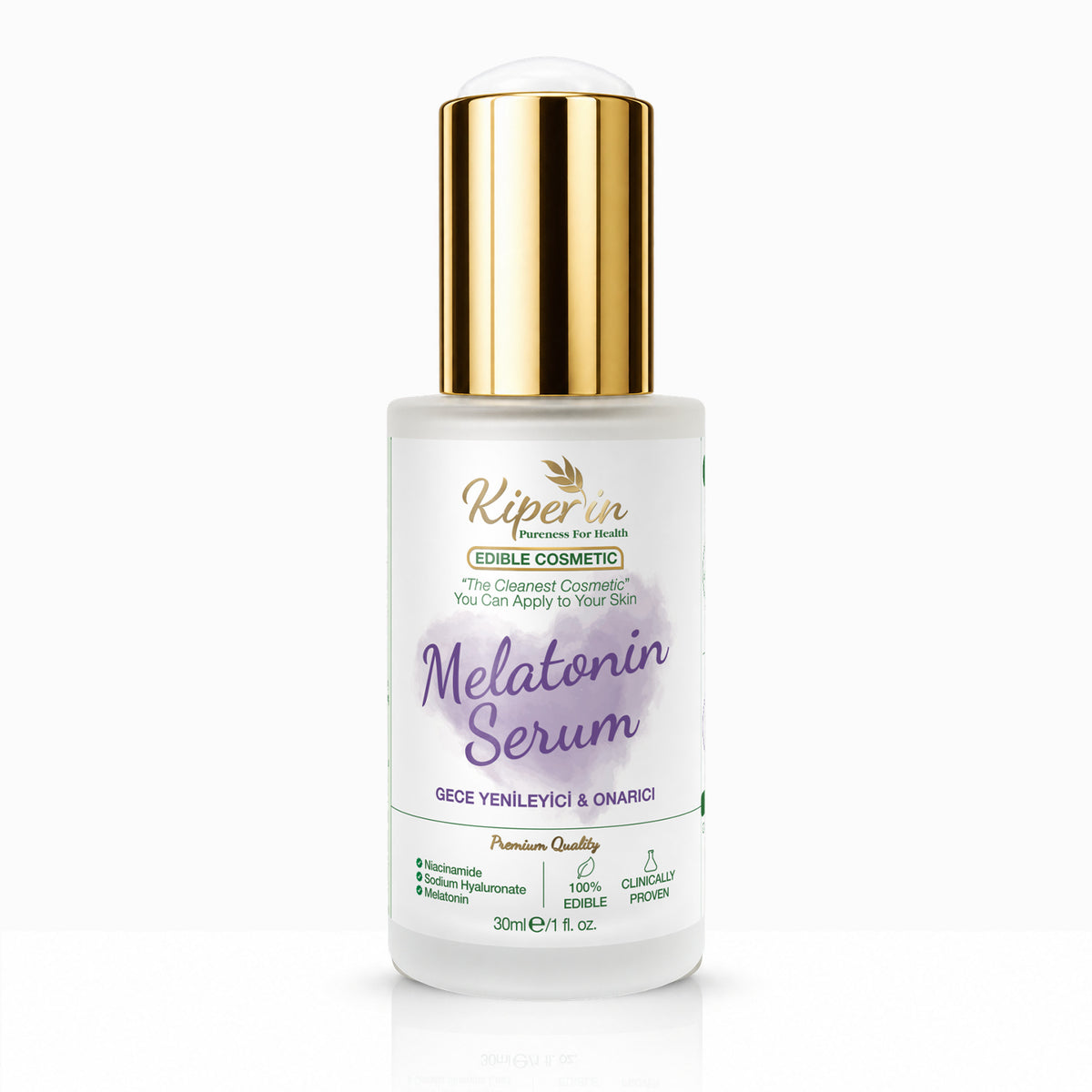
![Melatonin Serum | Melatonin, Niacinamide, Hyaluronic Acid, Rose | 30mL]() Regular price 370.00TLIn cartSale price 370.00TL
-

![D3K2 | Vitamin D3 (1000 IU) & K2 (25mcg) | 365 Drops]()
![D3K2 | Vitamin D3 (1000 IU) & K2 (25mcg) | 365 Drops]()
![D3K2 | Vitamin D3 (1000 IU) & K2 (25mcg) | 365 Drops]() Regular price 332.50TLIn cartSale price 332.50TL

-

![Kiperin Green | Spirulina, Green Tea, Broccoli Extract, Prebiotic (Inulin) | 30-Day Supply]()
![Kiperin Green | Spirulina, Green Tea, Broccoli Extract, Prebiotic (Inulin) | 30-Day Supply]()
![Kiperin Green | Spirulina, Green Tea, Broccoli Extract, Prebiotic (Inulin) | 30-Day Supply]() Regular price 805.00TLIn cartSale price 805.00TL
-

![Kiperin Purple Collagen (576gr) 100% Pure and Natural Purple & Multi-Collagen Peptides containing Liposomal Technology Dietary Supplement]()
![Kiperin Purple Collagen (576gr) 100% Pure and Natural Purple & Multi-Collagen Peptides containing Liposomal Technology Dietary Supplement]()
![Kiperin Purple Collagen (576gr) 100% Pure and Natural Purple & Multi-Collagen Peptides containing Liposomal Technology Dietary Supplement]() Regular price 1,613.15TLIn cartSale price 1,613.15TL
-

![Kids Fish Oil | Kids Special | Fish Oil: 1800, Omega 3 1206mg, EPA:180mg, DHA:900mg | 150ml]()
![Kids Fish Oil | Kids Special | Fish Oil: 1800, Omega 3 1206mg, EPA:180mg, DHA:900mg | 150ml]()
![Kids Fish Oil | Kids Special | Fish Oil: 1800, Omega 3 1206mg, EPA:180mg, DHA:900mg | 150ml]() Regular price 805.65TLIn cartSale price 805.65TL
-

![Kiperin Eigrela | Quercetin, Thyme, Astragalus, Black Seed, Milkweed.. | 60 Capsules]()
![Kiperin Eigrela | Quercetin, Thyme, Astragalus, Black Seed, Milkweed.. | 60 Capsules]()
![Kiperin Eigrela | Quercetin, Thyme, Astragalus, Black Seed, Milkweed.. | 60 Capsules]() Regular price 549.00TLIn cartSale price 549.00TL
-

![Kiperin 5x Multi-Magnesium (Taurate, Bisglycinate, Malate, Citrate, L-Threonate) 60 Capsules]()
![Kiperin 5x Multi-Magnesium (Taurate, Bisglycinate, Malate, Citrate, L-Threonate) 60 Capsules]()
![Kiperin 5x Multi-Magnesium (Taurate, Bisglycinate, Malate, Citrate, L-Threonate) 60 Capsules]() Regular price 426.55TLIn cartSale price 426.55TL
-

![Kiperin Postbiotic 210 Billion CFU Rhamnosus & Plantarum (21 Capsules & 700mg)]()
![Kiperin Postbiotic 210 Billion CFU Rhamnosus & Plantarum (21 Capsules & 700mg)]()
![Kiperin Postbiotic 210 Billion CFU Rhamnosus & Plantarum (21 Capsules & 700mg)]() Regular price 720.65TLIn cartSale price 720.65TL
-

![Kiperin Burn | L-Carnitine, Green Tea, Guarana, Ginger, Garcinia, Caffeine | 60 Capsules]()
![Kiperin Burn | L-Carnitine, Green Tea, Guarana, Ginger, Garcinia, Caffeine | 60 Capsules]()
![Kiperin Burn | L-Carnitine, Green Tea, Guarana, Ginger, Garcinia, Caffeine | 60 Capsules]() Regular price 805.65TLIn cartSale price 805.65TL


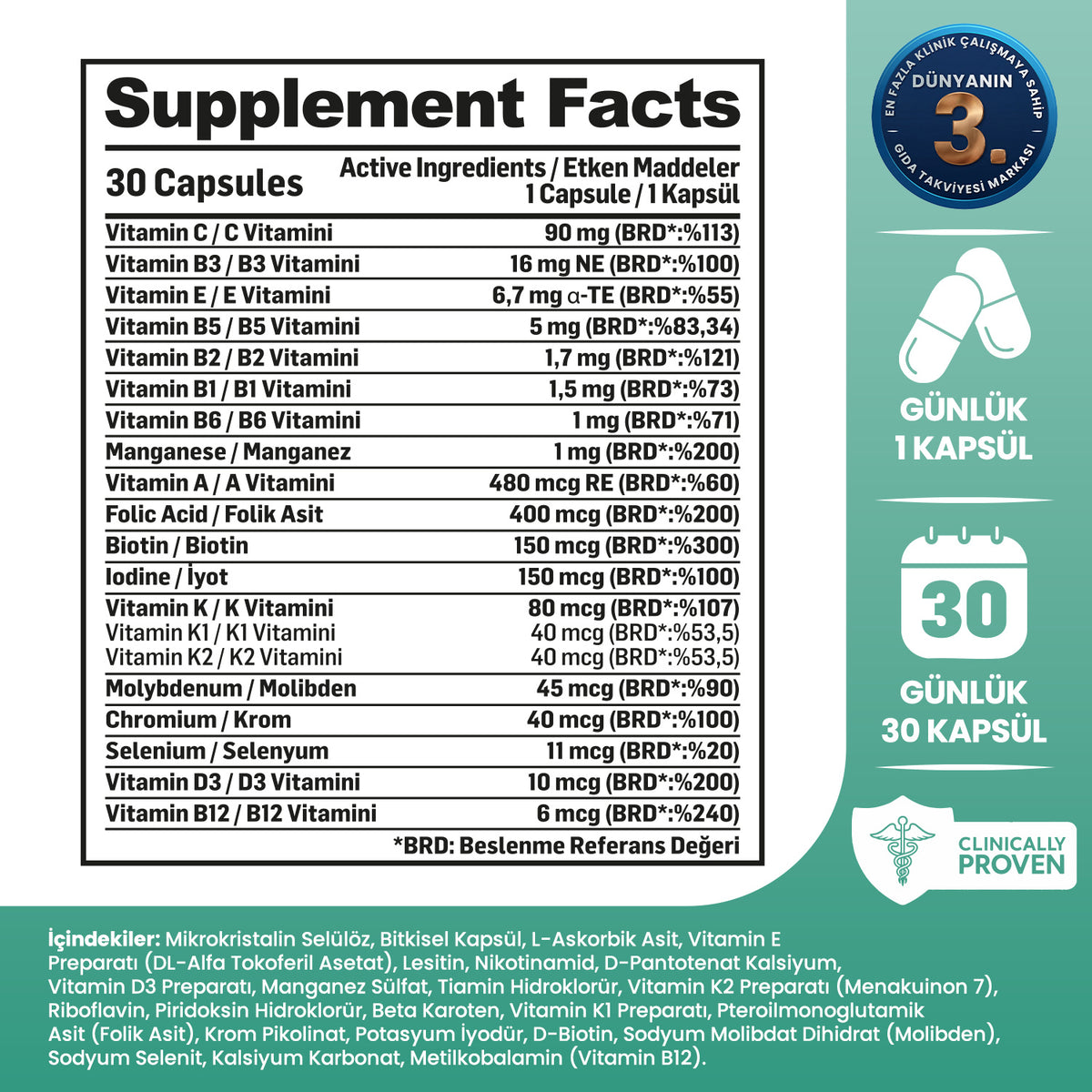
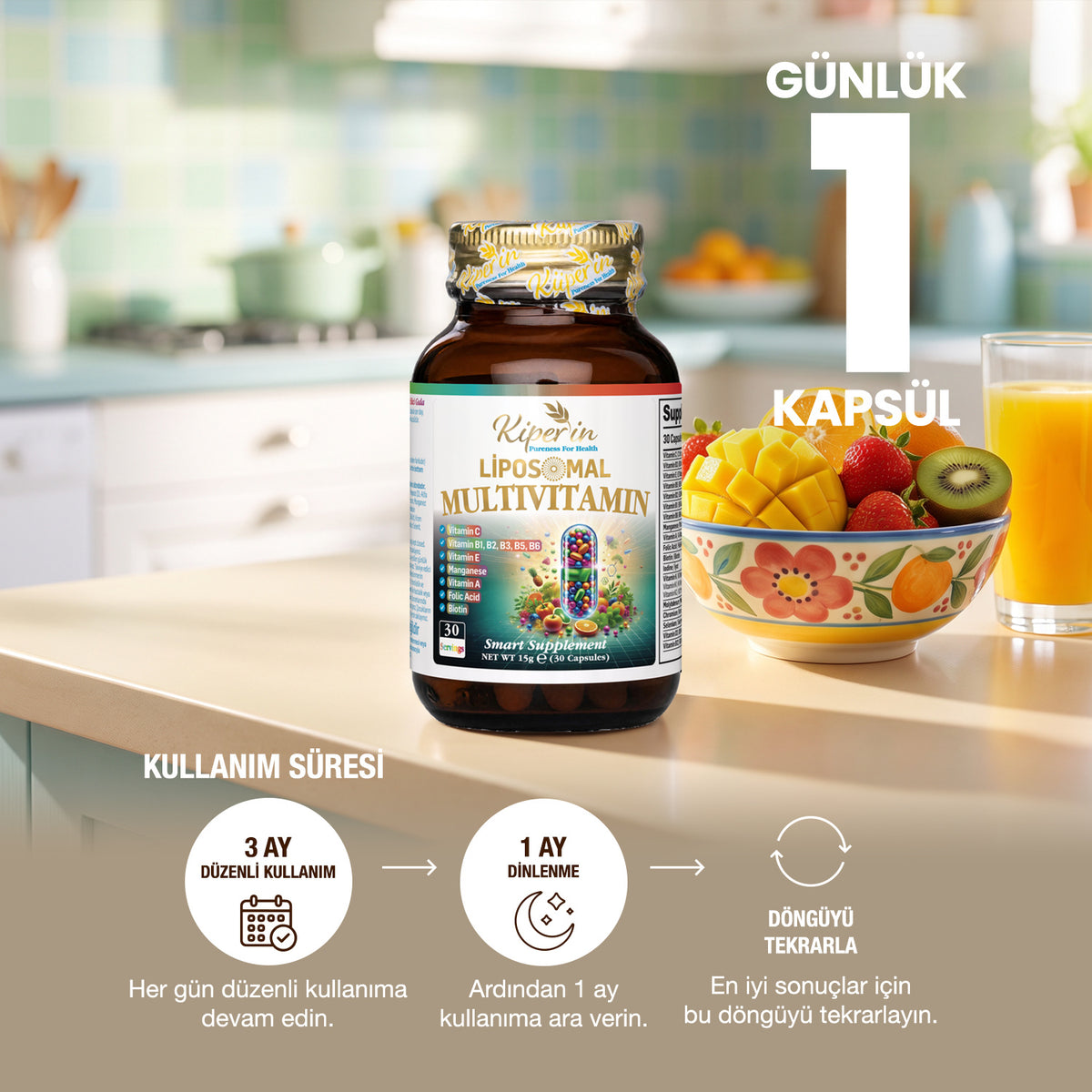









Frequently Asked Questions
What is a dietary supplement?
Dietary supplements are products that may contain vitamins, minerals, proteins, amino acids, plant-based ingredients, or other nutrients and are used to support a normal diet.
Does everyone need to take multivitamins?
No. Vitamin and mineral requirements may vary depending on an individual's diet, age, health status, and other personal characteristics.
Are collagen supplements and multivitamins the same thing?
No. While collagen products primarily focus on collagen protein or peptides, multivitamins are formulas containing multiple vitamins and minerals.
Should dietary supplements be taken on an empty or full stomach?
The method of use may vary depending on the product's contents. The directions for use on the product label should be followed.
Are natural supplements completely safe?
No. Plant-based or naturally sourced ingredients may also cause side effects or interact with medications.
Can dietary supplements be used instead of medication?
No. Dietary supplements are not medicines and are not used for the diagnosis, treatment, or prevention of diseases.