Collagen, Magnesium, D3K2 and Complex Formulas for Bone, Muscle and Joint Support
Bone, muscle and joint support products do not consist of a single group of ingredients. Micronutrients such as vitamin D and magnesium, collagen peptides, and complex ingredients such as glucosamine-MSM-chondroitin may be found under the same category; however, the formulation logic of each is different.
Therefore, questions such as “which supplement for joints?” or “which vitamin for muscles?” should not be approached through the product name, but through the permitted physiological functions of the ingredients and nutrients.
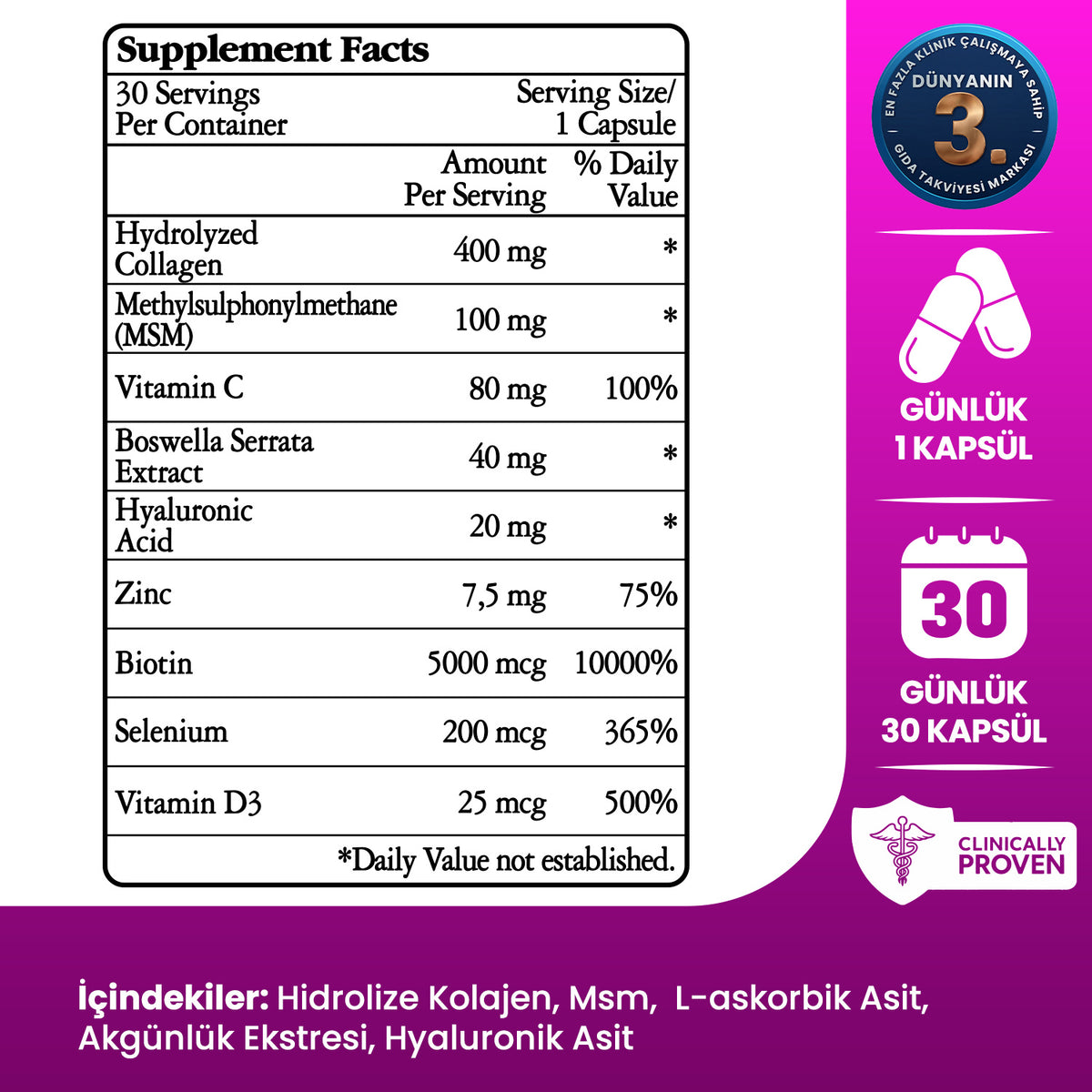
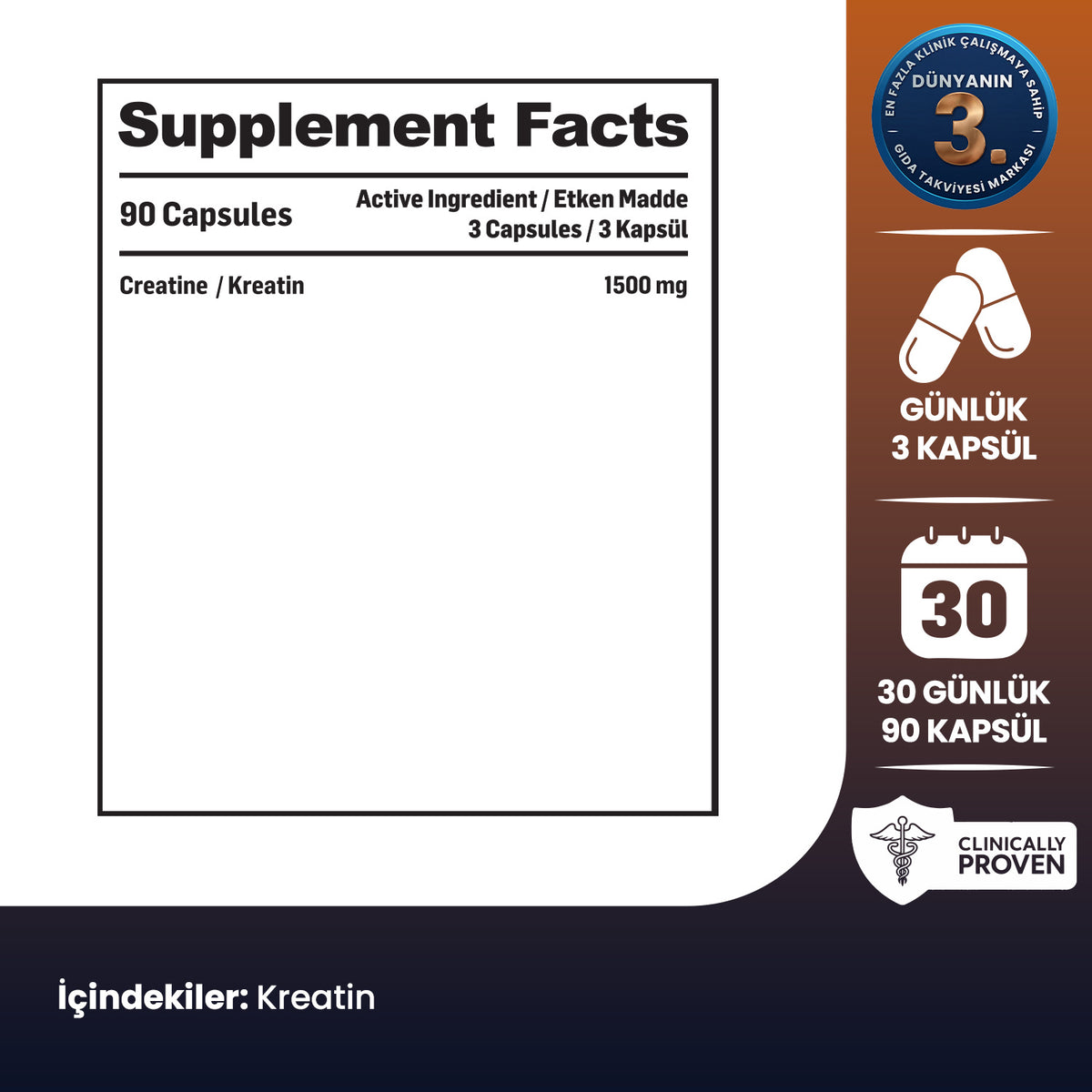
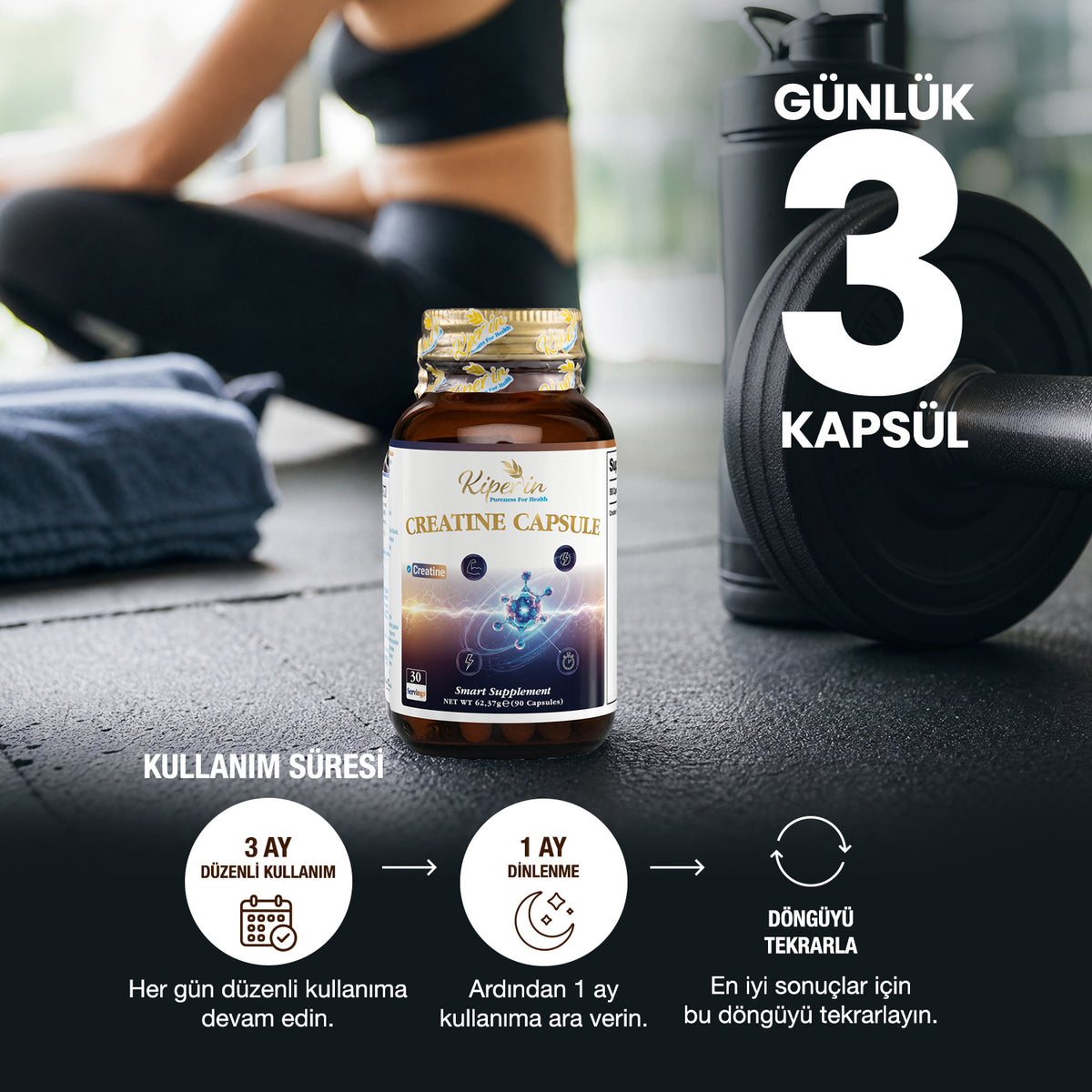
Kiperin bone, muscle and joint support category includes different formulations such as collagen, Flexura, 5x Multi-Magnesium and D3K2.
The Role of Vitamin D, Vitamin K and Magnesium in Bone Support
Bone structure cannot be associated with a single nutrient.
Vitamin D contributes to the maintenance of normal bones. It also contributes to the normal absorption and use of calcium.
Vitamin K also contributes to the maintenance of normal bones.
Magnesium is one of the minerals that contribute to the maintenance of normal bones.
Therefore, it is possible to find vitamin D, vitamin K and magnesium alone or in different combinations in different products.
Why Are D3K2 Products Offered Together?
D3 and K2 are one of the frequently used combinations in the supplement market.
In Kiperin products such as D3K2, two vitamins are offered in the same form of use. When evaluating this type of product, the amount of both vitamins in the daily serving should be checked separately.
It should also not be forgotten that vitamin D is not limited only to bones; it contributes to the maintenance of normal muscle function and the normal function of the immune system.
Therefore, you may also see products containing D3 in the immune support category.
How Does Magnesium Position Itself in Muscle Function?
Magnesium contributes to normal muscle function. In addition, it contributes to the normal energy-producing metabolism, the normal functioning of the nervous system, and the reduction of tiredness and fatigue.
In magnesium supplements, different magnesium sources such as citrate, bisglycinate, malate, taurate, and L-threonate may be seen.
Kiperin 5x Multi-Magnesium brings these five forms together in the same product.
When comparing products, not only the total weight of the raw material, but also the amount of magnesium stated on the label and the daily serving should be looked at.
Why Is “Grams” Important When Choosing a Collagen Supplement?
One of the most noticeable differences among collagen products is the amount of collagen peptide in the daily serving.
The serving sizes of capsule, sachet, and powder products may differ. Therefore, when comparing products, it is not enough to look only at the box size or the number of servings.
In Kiperin powder products such as Collagen Classic, hydrolyzed collagen peptides are offered based on the daily serving.
Those who want to compare collagen options in more detail can separately examine the collagen product category.
What Does Hydrolyzed Collagen Mean?
Collagen is one of the structural proteins naturally found in the body.
The term “hydrolyzed collagen” describes the production process in which collagen proteins are broken down into smaller peptide structures.
Therefore, on product labels, collagen peptides or hydrolyzed collagen terms may be seen.
The type of collagen, raw material source, serving size, and additional ingredients in the formula can create differences between products.
What Ingredients Are Seen in Joint-Focused Complex Formulas?
In complex supplements in the joint category, different ingredients such as glucosamine, MSM, chondroitin, SAM-e, turmeric, and hyaluronic acid can be brought together.
Kiperin Flexura is an example of this type of multi-ingredient formula approach.
In these types of products, decisions should not be made only with front-facing claims such as “6 active ingredients” or “complex formula.” The amount of each component in the daily serving should be evaluated separately.
Also, these products should not be evaluated as treating or eliminating joint pain. Dietary supplements are not medicines.
Is the Bone and Muscle Supplement Choice Different for Athletes?
In people who exercise regularly, protein intake, total energy consumption, hydration, sleep, and exercise program are basic factors.
Supplement products do not replace these basic elements.
When evaluating products containing magnesium, vitamin D, or other micronutrients, the person's diet and other supplements they use should be taken into account.
The “the more you use, the more results you get” approach is not correct in dietary supplements.
What Should You Look At When Comparing Bone, Muscle and Joint Products?
First, the targeted ingredient group should be determined.
While the daily peptide amount is important for a user looking for collagen, users looking for D3K2 should look at the vitamin amounts; and users looking for magnesium should look at the magnesium source and the daily serving.
In complex joint products, however, all ingredients should be compared.
Therefore, the healthiest comparison method is the product name → ingredient → serving → method of use sequence.